Hope is a practice too

I recently read How to Be Hopeful by Caitlin Moran, and there are a few bits I keep coming back to. One of them is her observation that we live in an anxious age. It’s hard to argue with that. You can open your phone first thing in the morning and, before you’ve even got out of bed, absorb climate news, politics, someone else’s crisis and approximately seventeen things you should apparently be worrying about.
What I really liked was the idea that being hopeful doesn’t mean pretending everything is brilliant. You can be anxious and hopeful at the same time. You can look at the state of the world and think this is a bit of a mess, while still believing that things can change. Hope isn’t denial; it’s a willingness to stay engaged.
And then, of course, Caitlin Moran started writing about breathing, which was always going to get my attention. I obviously talk about breathing all the time, but it’s funny how something so fundamental can become something we still forget to notice. Take a slower deeper breath as you read this now. I've said this often in classes; given that the world and our own lives are so complicated, and we're all super busy, the solution has to be simplicity. Take another slow... deep breath... why not?! Has anyone ever felt worse for one?!
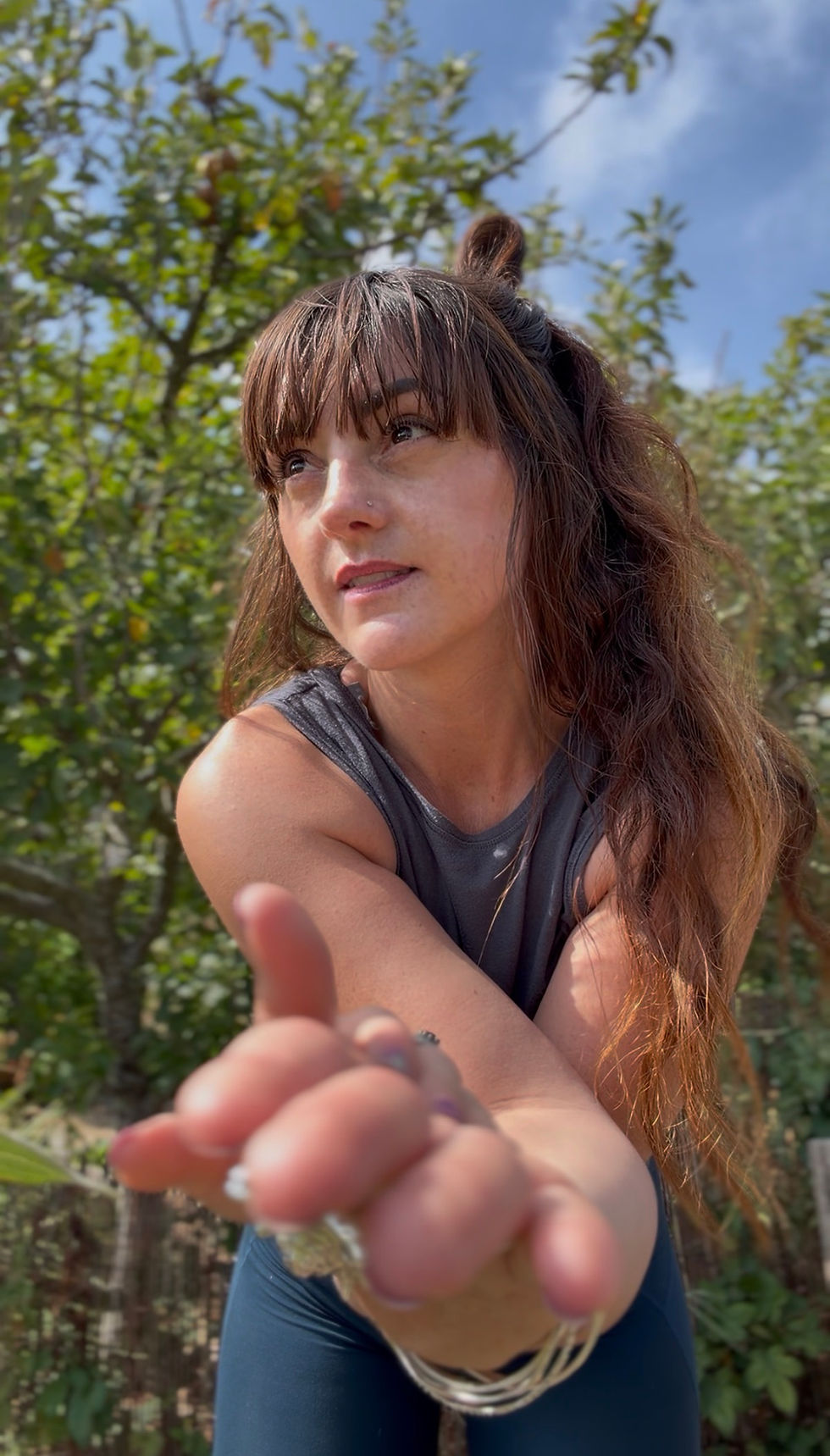
I think that’s what I love about the breath. It’s always with us, and we don’t need another app, gadget or complicated routine to access it. We can notice it sitting on the edge of the bed, walking to work, waiting for the kettle or lying awake at 2am.
Maybe that’s part of hope too. We don’t need to know exactly how everything is going to turn out. We can acknowledge that things are difficult and still create a little space to remember that this moment isn’t necessarily the whole story.
Yoga doesn’t promise that life will become calm or perfectly balanced. It gives us somewhere to meet ourselves in the middle of it all.
And sometimes, one breath is enough to begin.


Comments